Sign in
If you do not have an account, click Create AccountCreate Account
Some items are no longer available. Your cart has been updated.
This discount code cannot be used in conjunction with other promotional or discounted offer.
Your cart is empty.
Meta Description: A deep dive into the cultural symbolism embedded in Euro 2024 national team jerseys. We decode how traditional motifs, historical references, and national identity are woven into fabric, transforming each kit into a wearable statement of heritage and modern design philosophy.
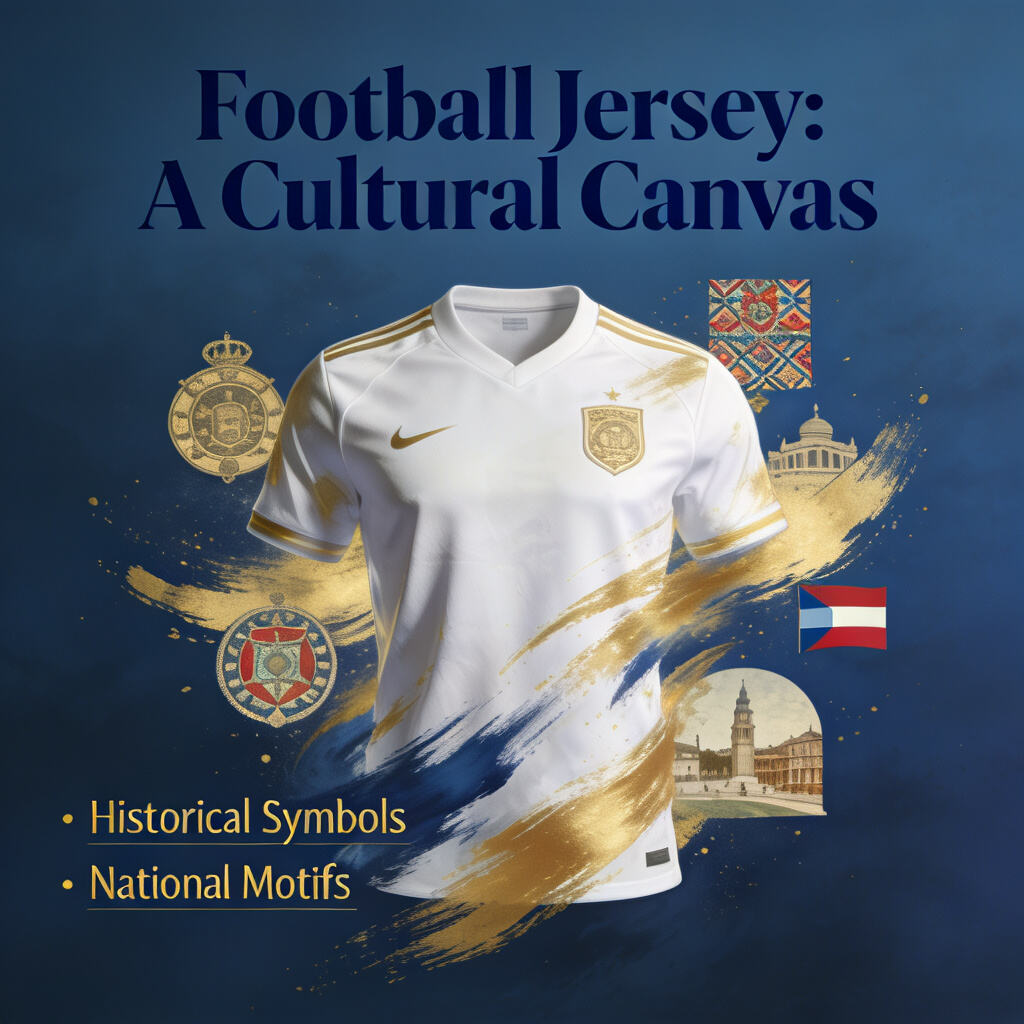
The modern football jersey has transcended its functional purpose to become a complex semiotic text — a fabric woven with threads of history, mythology, and national consciousness. For the 2024 UEFA European Championship, kit designers have moved beyond mere aesthetics to embed layered cultural narratives that speak to a nation's soul. This analysis deciphers the hidden codes, revealing how each design functions as both a uniform for at
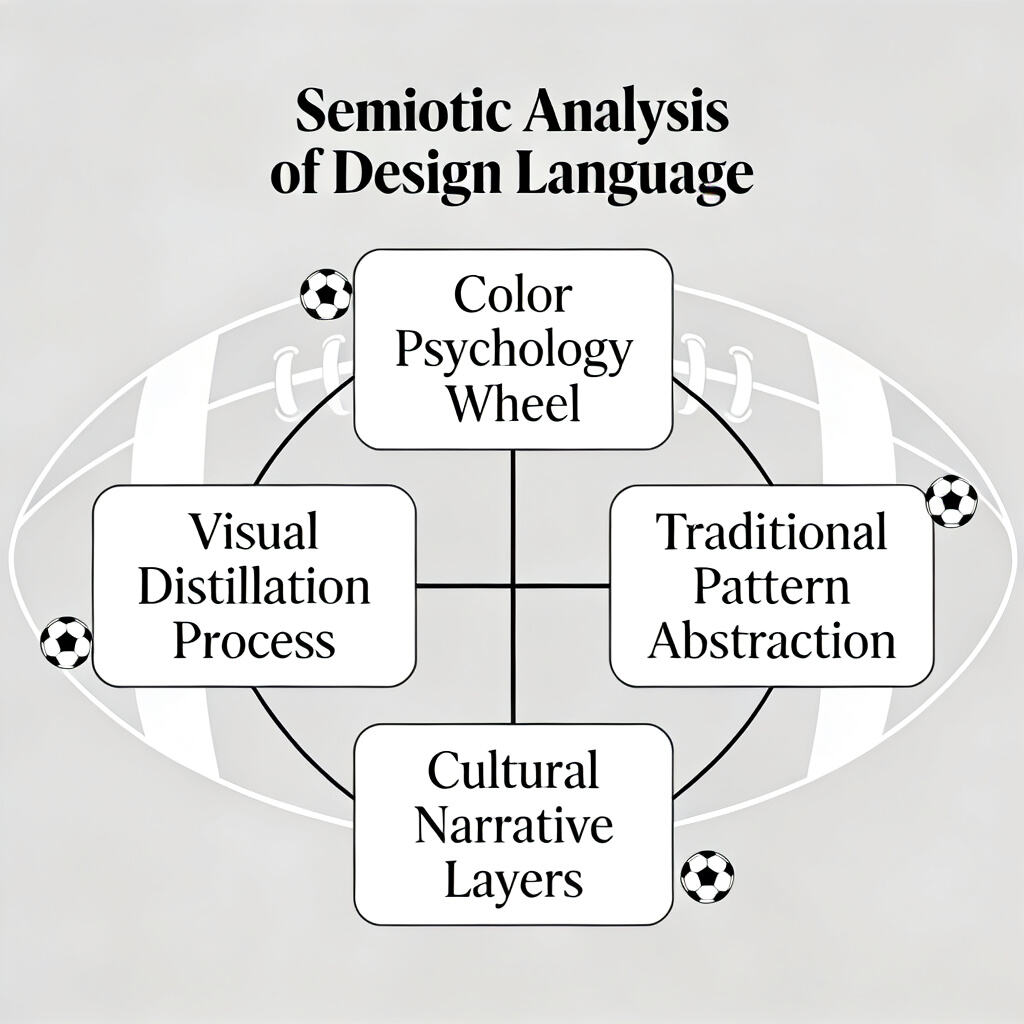
A1: Designers employ a sophisticated process of visual distillation and abstraction. Rather than direct replication, core cultural symbols are deconstructed into their essential geometric or chromatic forms, then re-contextualized within a contemporary athletic silhouette. For instance, a nation's traditional embroidery might be translated into a subtle, all-over jacquard knit pattern visible only upon close inspection, or a historical battle standard's colors might be fragmented into a modern gradient fade. This approach respects heritage while asserting a forward-looking, global identity. The kit becomes a dialogue between past and present.
A2: While national flag colors provide the foundational palette, their application carries deep psychological and historical weight. The specific saturation, tone, and combination are carefully chosen. A shift from a bright, primary red to a deeper, burgundy hue might reference aged wine or royal heritage, evoking maturity and resilience. The use of a "forgotten" tertiary color from a historical coat of arms can serve as a mnemonic device, reawakening collective memory. Furthermore, the balance and placement of colors on the jersey often mirror national artistic movements or architectural styles, creating a subconscious sense of familiarity and pride.
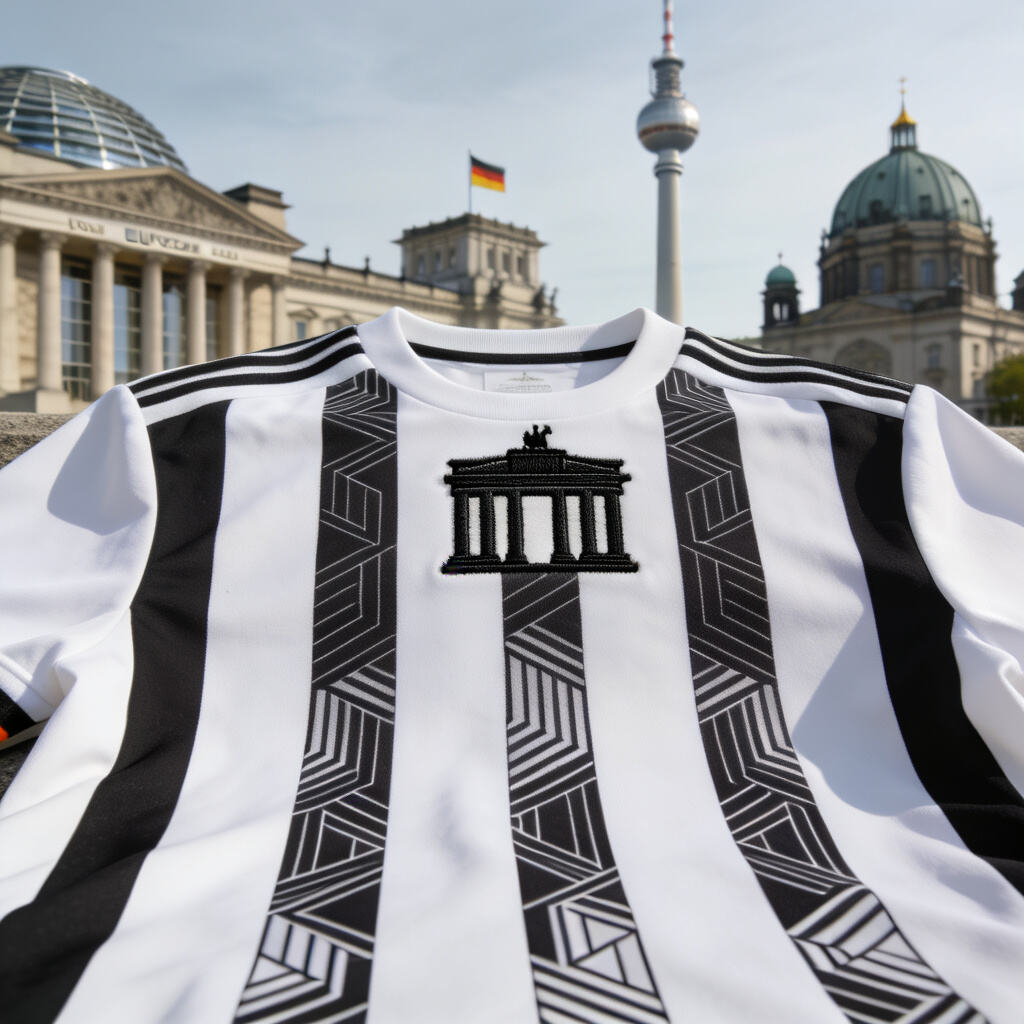
Cultural Code: Ordnung (Order), Precision, and Rebirth.
Hidden Elements: The home jersey's stark white and black lines are not merely stripes but an abstract representation of the steel and glass aesthetic of modernist German architecture, as well as the clean lines of a football pitch itself. The subtle textural pattern within the black stripes is rumored to encode a digitalized fragment of the Brandenburg Gate's silhouette or rhythmic data from German classical music. It speaks to a nation confident in its engineered, post-reunification identity.
"Star power" & Cultural Semiotics: A player like İlkay Gündoğan, known for his technical precision and composed leadership, becomes the perfect living embodiment of this design's ethos.
hletic battle and a profound symbol of identity.
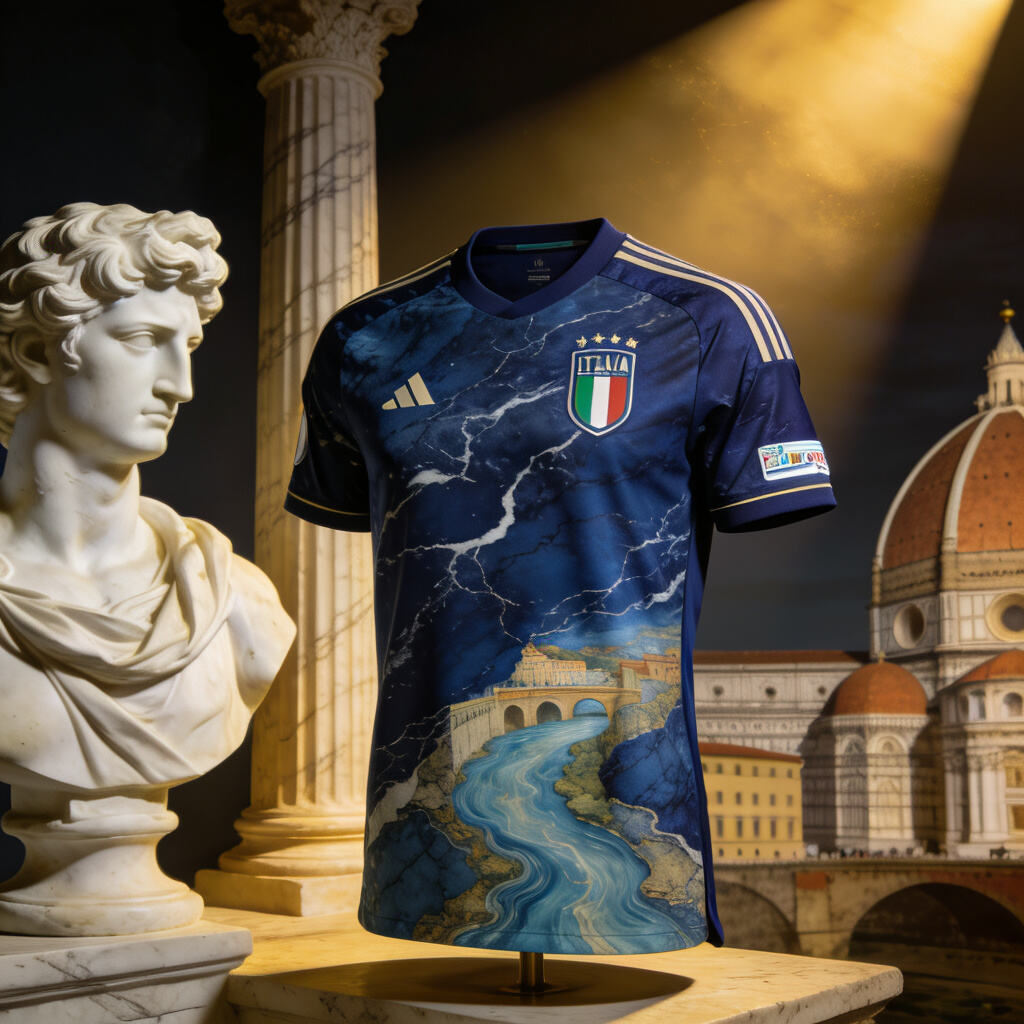
Cultural Code: Arte (Art), Legacy, and Mediterranean Light.
Hidden Elements: The celebrated "marbled" pattern of the home kit directly references Carrara marble, the material of Michelangelo's David and Roman monuments. However, the swirling veins are not random; they are mapped to evoke both the flow of the Tiber River and the brushstrokes of Renaissance frescoes. The deep "blu Savoia" (Savoy blue) connects to the royal House of Savoy and the azure of the Tyrrhenian Sea. This kit frames players as modern-day sculptors and artists on the green canvas of the pitch.
"Star power"& Cultural Semiotics: A defender like Alessandro Bastoni, with his elegant, composed style of play, mirrors the dignified and artistic essence of the design.
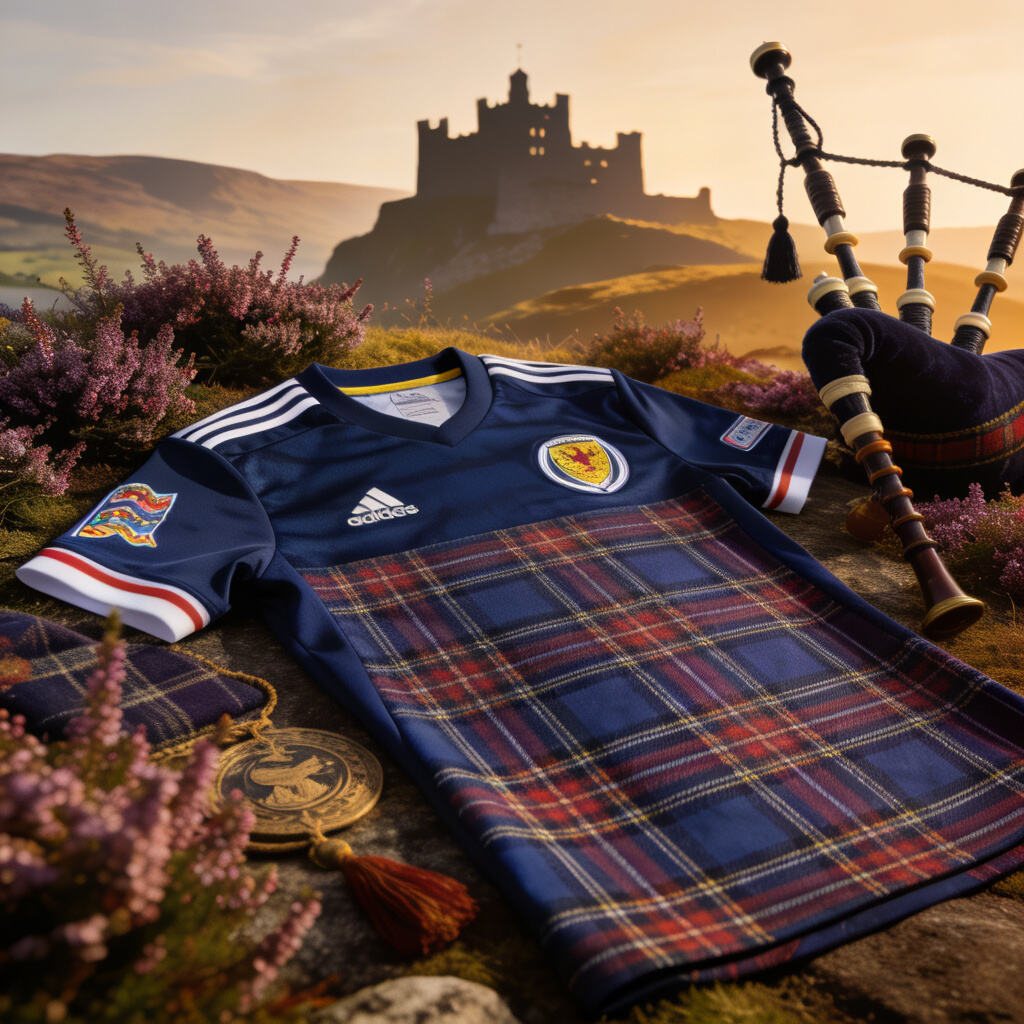
Cultural Code: Clann (Clan), Landscape, and Resistance.
Hidden Elements: The away kit's bold tartan is a direct, unapologetic cultural statement. However, the specific pattern and colorway are often a bespoke design created for the national team, symbolizing unity across historic clans. The deep purple and green may reference heather-covered highlands and ancient forests. The pattern's disruption or graduation across the jersey can symbolize the rugged, unpredictable terrain of Scotland and the nation's fighting spirit. It's a kit that wears its heart and history on its sleeve—literally.
"Star power"& Cultural Semiotics: A tenacious, passionate player like Andrew Robertson embodies the resilient and proud spirit encoded in the tartan.
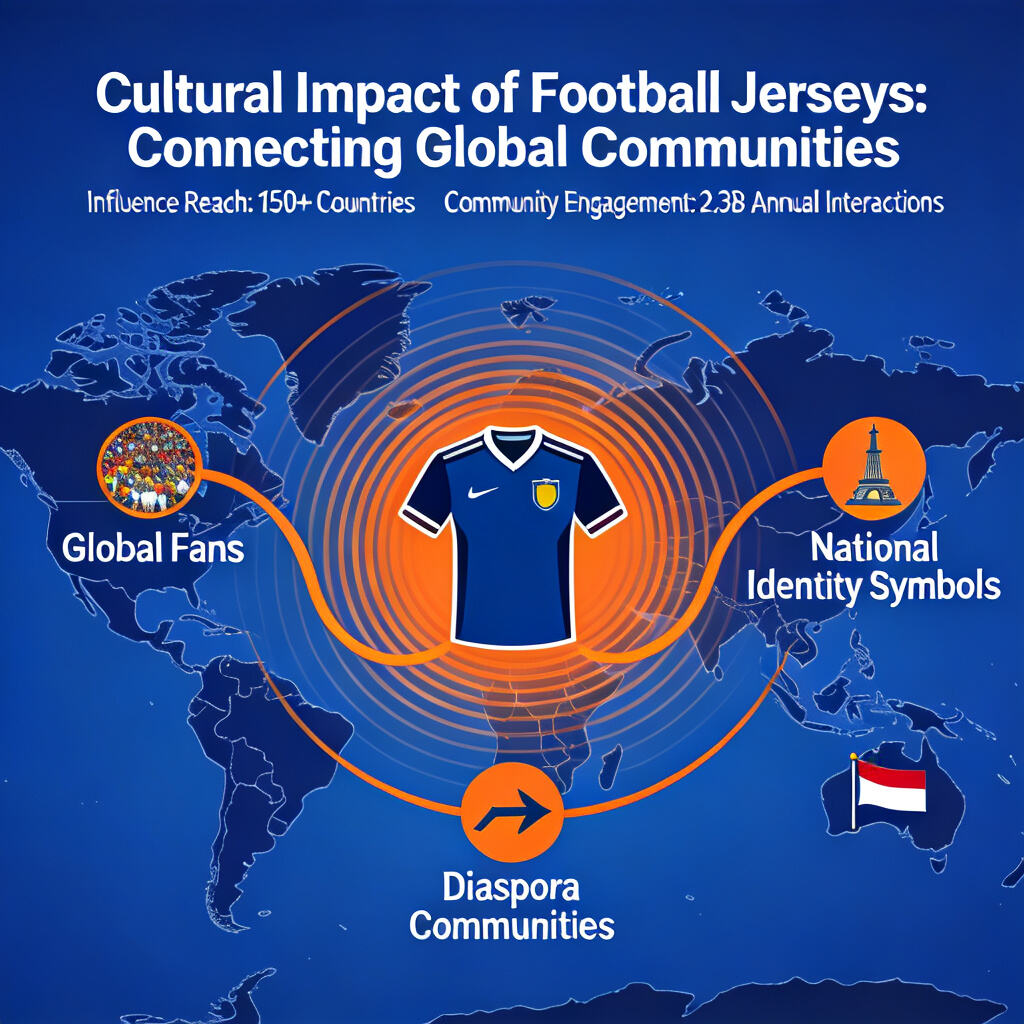
The power of these coded designs extends beyond the 90 minutes of play. They serve as potent tools for national branding and soft power on a global stage. When millions see these kits, they unconsciously absorb narratives of German engineering, Italian artistry, or Scottish heritage. For the diaspora, wearing the jersey becomes an act of cultural connection and pride, a way to viscerally link to their roots. The kit transforms the players into iconic avatars of their nation's story, amplifying their individual performances with the weight of collective history.
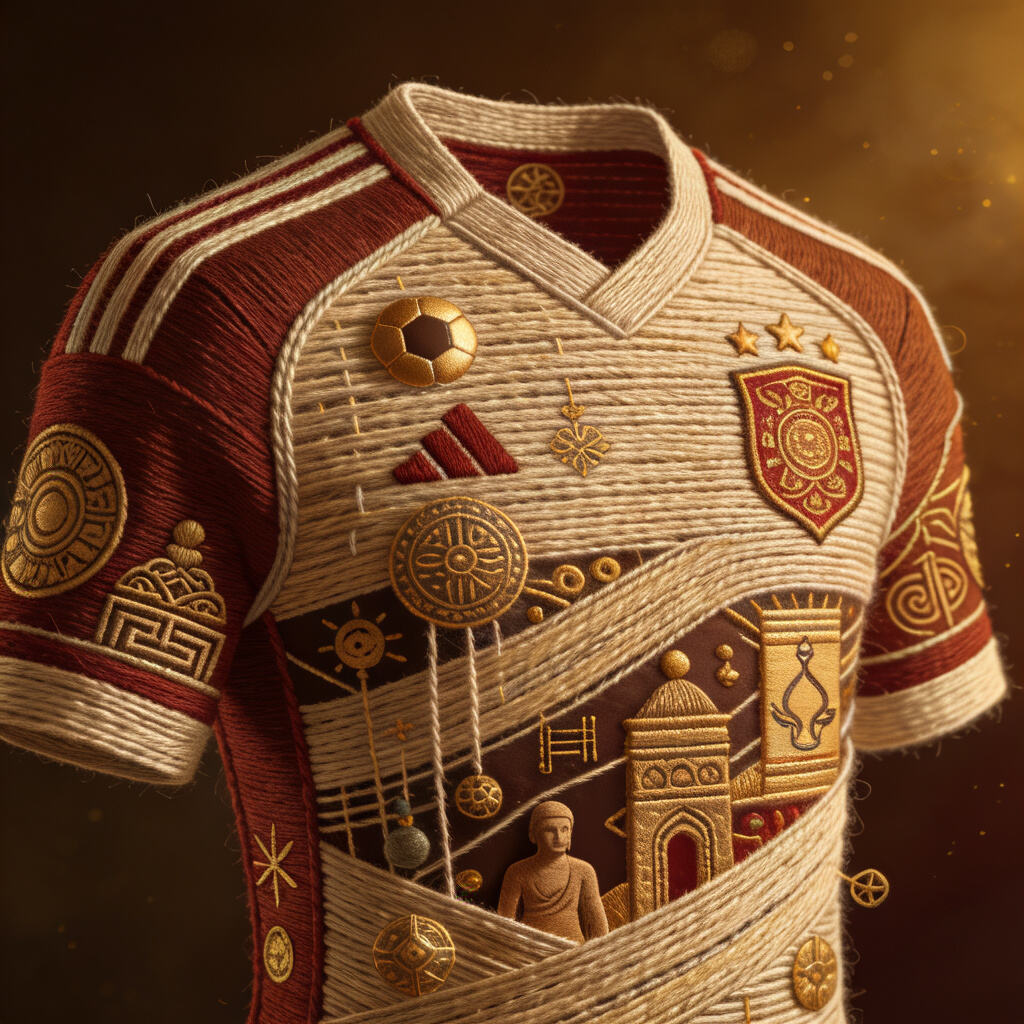
The Euro 2024 jerseys are far more than athletic equipment. They are carefully curated exhibitions of national identity, woven with symbols that resonate on emotional and historical frequencies. Understanding these hidden codes enriches the viewing experience, allowing us to see not just a football match, but a clash of cultures, a parade of histories, and a dialogue of design philosophies. The next time you see a team take the field, look closer—you are witnessing a nation's soul, stitched into every seam.
Comment